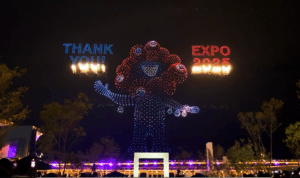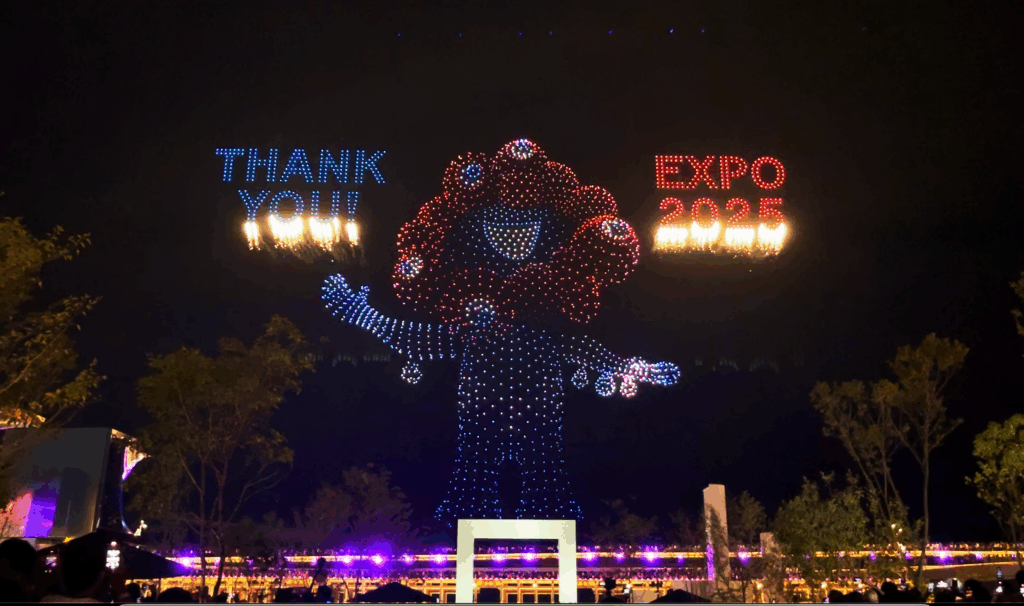

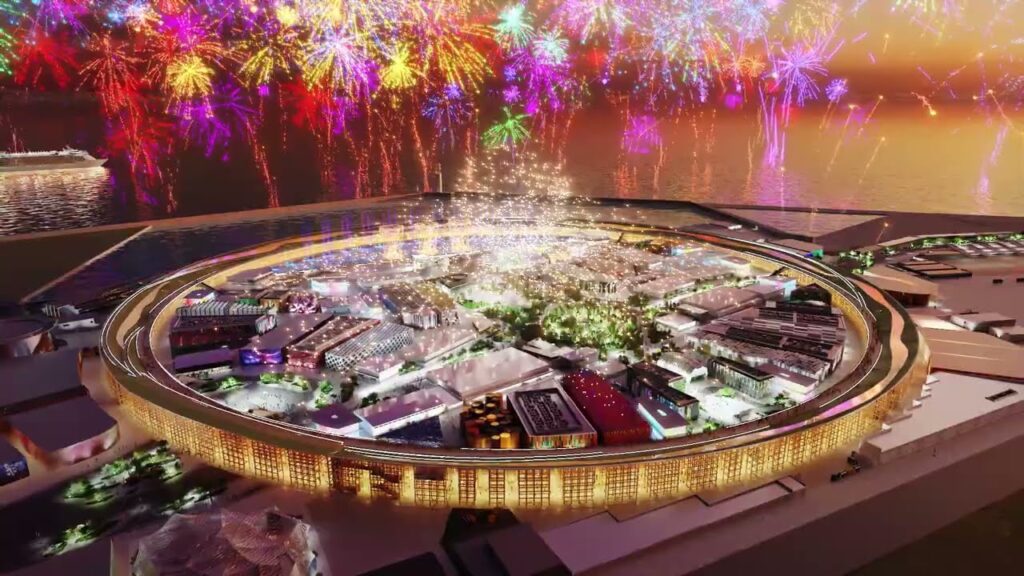
As the curtain falls on Expo 2025 Osaka, the world reflects on six months that reshaped how nations, innovators, and investors imagine our collective future. Under the theme “Designing Future Society for Our Lives,” the event brought together 165 countries, 28 million visitors, and countless partnerships across architecture, technology, sustainability, and human development.
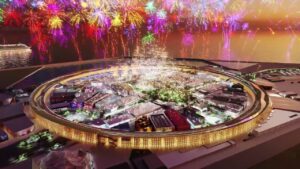
From its breathtaking Sou Fujimoto–designed circular wooden pavilion—a Guinness World Record feat—to its focus on Saving Lives, Empowering Lives, and Connecting Lives, Osaka 2025 became far more than an exhibition. It was a living laboratory for how creativity, technology, and purpose can unite to solve global challenges.
A Symbol of Collective Intelligence
Described by the Bureau International des Expositions (BIE) as “a symbol of resilience,” Expo Osaka demonstrated that collective intelligence and international cooperation remain the world’s greatest strengths in uncertain times.
It wasn’t just about architectural marvels or digital showcases—it was about dialogue, co-creation, and real-world collaboration. Across the 184-day program, governments, global brands, family offices, and investors came together to explore how infrastructure, culture, and innovation can coexist to drive sustainable growth.
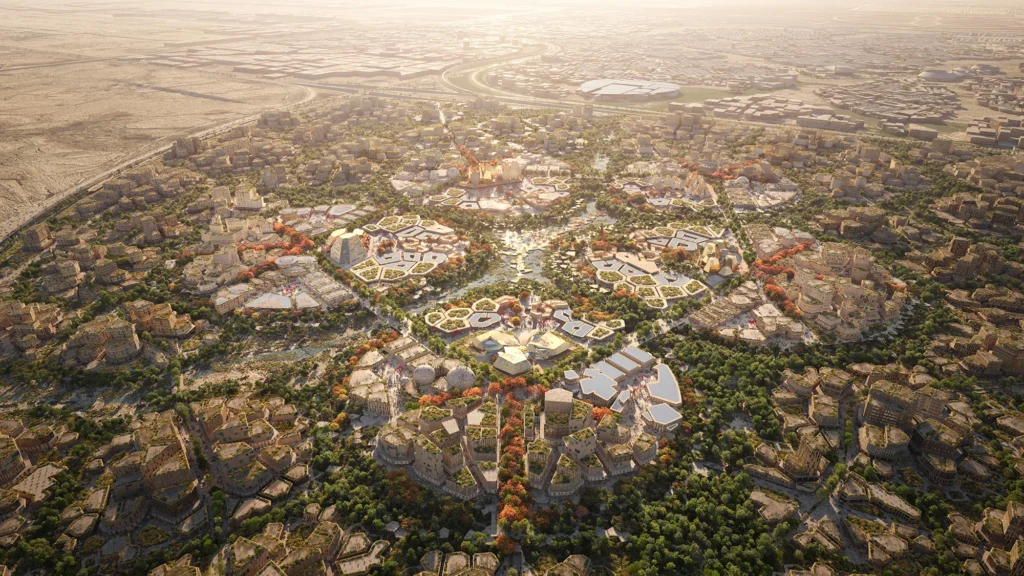
The Road to Riyadh 2030: A New Chapter Begins
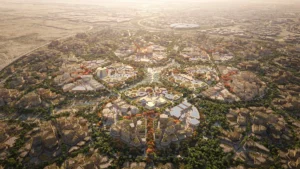
For Nuwa Partners, Osaka’s legacy holds deep relevance. Every Expo is both a showcase and a springboard—a testing ground for ideas that will shape the next host nation’s vision. With Expo 2030 Riyadh on the horizon, the lessons of Osaka offer a vital blueprint for success:
-
Unity in Diversity – Sou Fujimoto’s architectural ethos mirrors Riyadh’s own ambition to merge tradition and modernity, heritage and innovation.
-
Private Sector Leadership – Osaka showed how business engagement and family-office participation can transform national showcases into engines of investment.
-
Purpose-Driven Collaboration – The Expo model proves that when public, private, and cultural sectors align around shared values, they unlock new forms of economic and social impact.
Nuwa Partners sits precisely at this intersection—bridging international expertise and Saudi opportunity, connecting the world’s most innovative businesses, investors, and creative minds to Expo 2030’s bold vision.
Designing the Future—Together
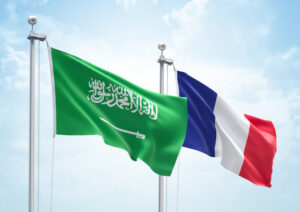
As the BIE flag now passes from Osaka to Riyadh, the global stage shifts focus toward the Kingdom. The next five years will define how Expo 2030 translates ambition into legacy—one built on collaboration, investment, and creativity.
At Nuwa Partners, we believe these are not just the ingredients of a successful Expo—they are the foundation for a reimagined future economy.
Our mission is to ensure that every partnership, every idea, and every opportunity contributes to that shared story of progress.