

Saudi Arabia’s Vision 2030 is widely known for its giga-projects, infrastructure development, and economic diversification. Yet, two sectors are emerging as powerful engines of transformation—sports and culture. Together, they are reshaping perceptions of the Kingdom, building bridges with global partners, and creating sustainable industries that appeal to citizens, tourists, and investors alike.
Sports is more than entertainment; it has become a cornerstone of national strategy. Hosting world-class tournaments such as Formula 1, international boxing championships, and the Saudi Pro League has positioned the Kingdom on the global sporting map. Alongside these headline events, Saudi Arabia is investing in grassroots participation, sports facilities, and athlete development—creating a thriving ecosystem that offers both social and economic returns.
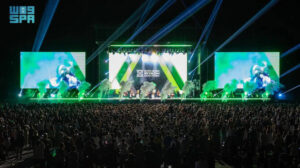
Culture and the arts are equally critical. Saudi Arabia is unlocking its rich heritage and creative potential by investing in museums, festivals, film, music, and design. Initiatives such as the Saudi Seasons, the opening of world-class cultural venues, and partnerships with global creative institutions are showcasing the Kingdom’s heritage and its modern creative expression to the world. This cultural renaissance is not only enhancing national identity but also positioning Saudi Arabia as a global hub for artistic collaboration.
Why Sports & Culture Matter for Investors
- Massive Demand: A young, dynamic population and growing tourism flows create sustained demand for entertainment, venues, and cultural experiences.
- Government Support: Backed by Vision 2030, both sectors enjoy funding, policy support, and long-term growth frameworks.
- Global Partnerships: Saudi Arabia is inviting leagues, federations, studios, and institutions to collaborate, offering fertile ground for investment and co-creation.
- Economic Diversification: Sports and culture contribute directly to non-oil GDP while creating jobs, SMEs, and knowledge transfer opportunities.
Opportunities Across the Ecosystem
- Sports: Venue development, sponsorships, media rights, athlete training academies, and esports platforms.
- Culture & Arts: Film production, music festivals, design collaborations, museums, and cultural tourism experiences.
- Tourism Integration: Blending cultural programming with hospitality and leisure developments to attract international audiences.
How NUWA Creates Value
NUWA supports investors, brands, and governments in capturing opportunities within these dynamic sectors. Through consulting, brokerage, and commercial partnerships, we ensure stakeholders align with projects that deliver sustainable impact and global visibility. Our role is to connect visionaries with the right platforms, enabling sports and culture to thrive as the new drivers of Vision 2030.
Contact NUWA today to discover how you can participate in Saudi Arabia’s growing sports and cultural economy.